Land Into Homes
More than $100 million in property value regenerated and 100+ parcels advanced for affordable housing, turning vacant and tax-delinquent land into places people live.
Prepared for Architecture + Advocacy. July 2026.
Christa Stoneham. Connecting Dots and Strategies.
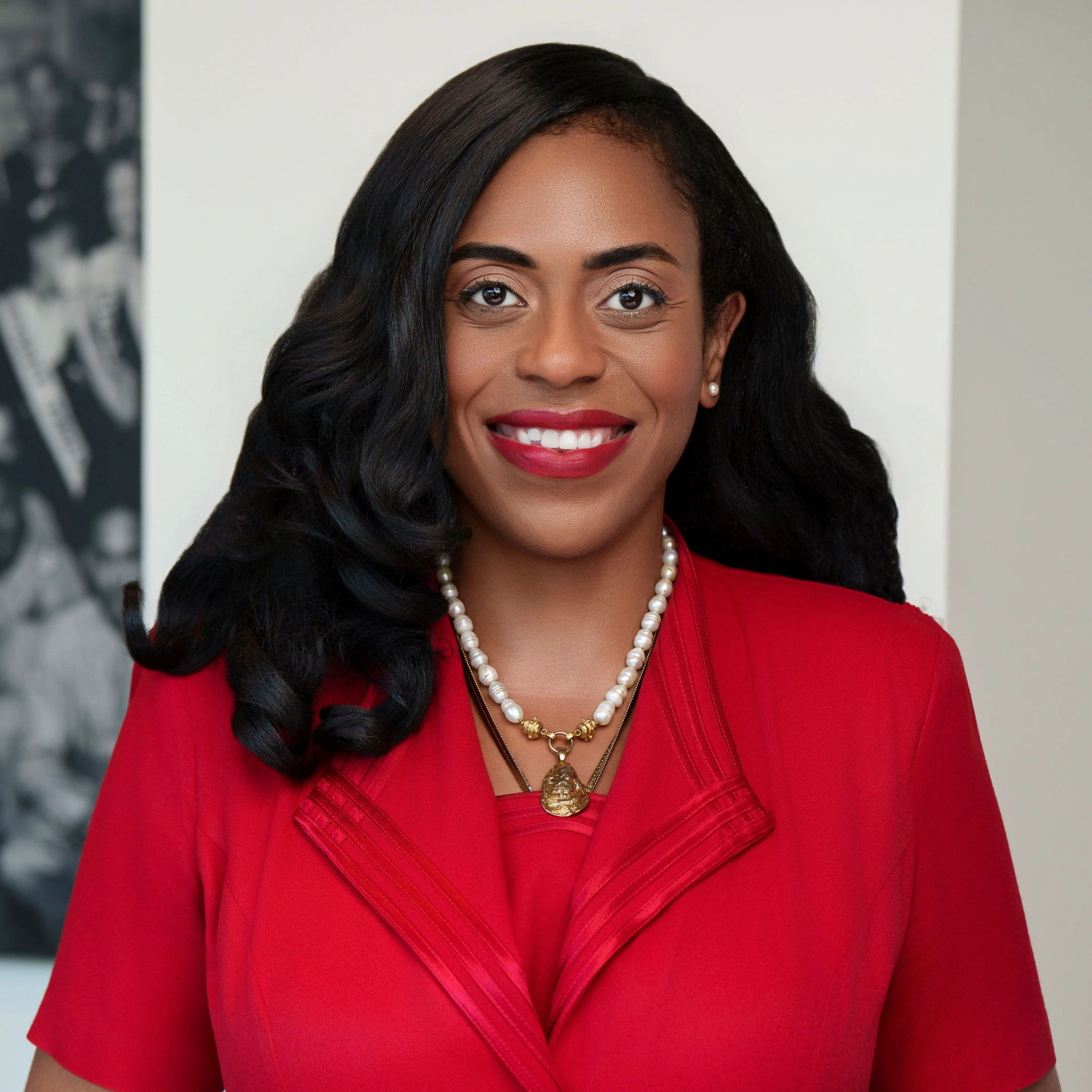
Who I Am
I trained as an architect, and I have spent two decades on the other side of the drawing, moving community projects from vision to funded reality. My work has crossed municipal government, philanthropy, and land banking, always in the same direction: making sure the people who live in a place have real power over what gets built there.
I show up as someone who can read a site plan, a capital stack, and a neighborhood meeting in the same afternoon. That is the translation layer emerging designers rarely get to see, and it’s what I want to bring to your volunteers.
Connecting Dots and Strategies is my independent practice.
Proof of Practice
In land assets stewarded
Raised across my career
In government funding secured
Residents served across 10 Houston neighborhoods
Community projects as part of city leadership
On the record
Invited testimony before the U.S. House Committee on Energy and Commerce on brownfield redevelopment, 2025.
More than $100 million in property value regenerated and 100+ parcels advanced for affordable housing, turning vacant and tax-delinquent land into places people live.
A $3.2 million congressional appropriation and a $5 million EPA brownfields award, both secured for community-driven redevelopment, plus 600+ projects delivered with more than 30 city departments and 40 corporate partners.
2026 Houston Business Journal Most Admired CEO. 2026 Top 50 Most Influential Women in Houston. 2025 MLK Jr. Legacy Builder. 2022 HBJ Top 40 Under 40.
Case studies from the work
Summarized at a high level. Names, partners, and full figures shared with the right context.
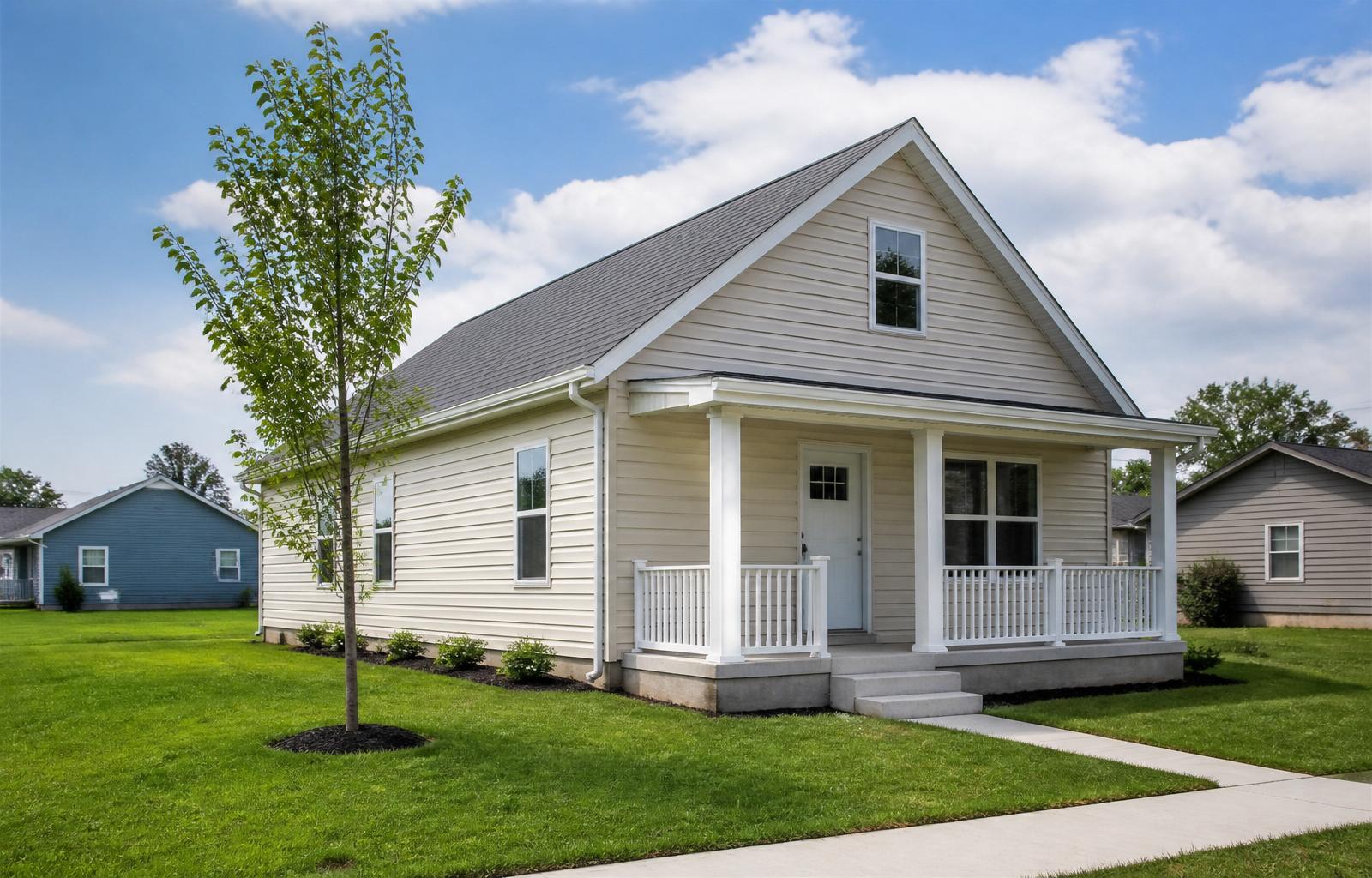
Led decisions across a large public portfolio of vacant, tax delinquent, and underused property in a major American city.
More than $100 million in property value put back in play through public land stewardship, disposition, and redevelopment activity.
Parcel strategy, partner selection, legal authority, affordability terms, development readiness, public accountability, and a repeatable way to decide which properties should move, when, to whom, and for what outcome.
How land moves from liability to community asset, and how to build the decision systems that make those choices clearer, faster, and easier to defend.
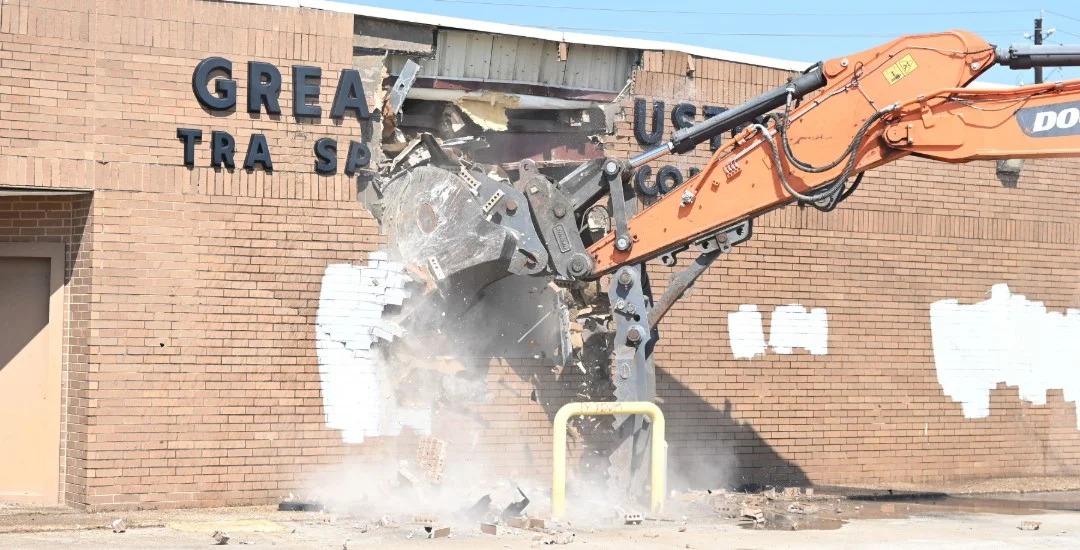
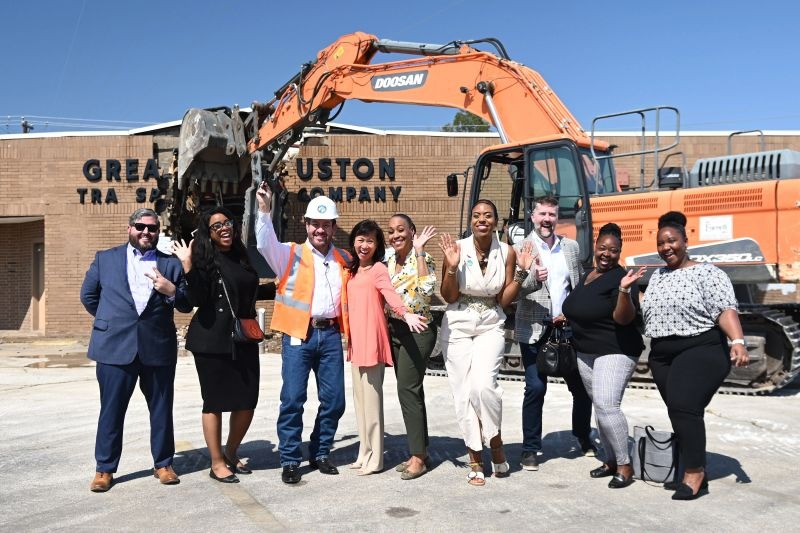
Helped move a former transportation and industrial site from environmental uncertainty toward a new affordable housing future.
More than $12 million in publicly documented acquisition and predevelopment capital helped assemble the site and position it for roughly 120 multifamily units and 40 single family homes.
Brownfield assessment, demolition sequencing, public agency coordination, financing alignment, community storytelling, and a reuse strategy that could carry both neighborhood memory and future housing need.
How to turn complicated sites into implementation pathways, especially when the work involves contamination, cost, capital gaps, public scrutiny, and community expectation.
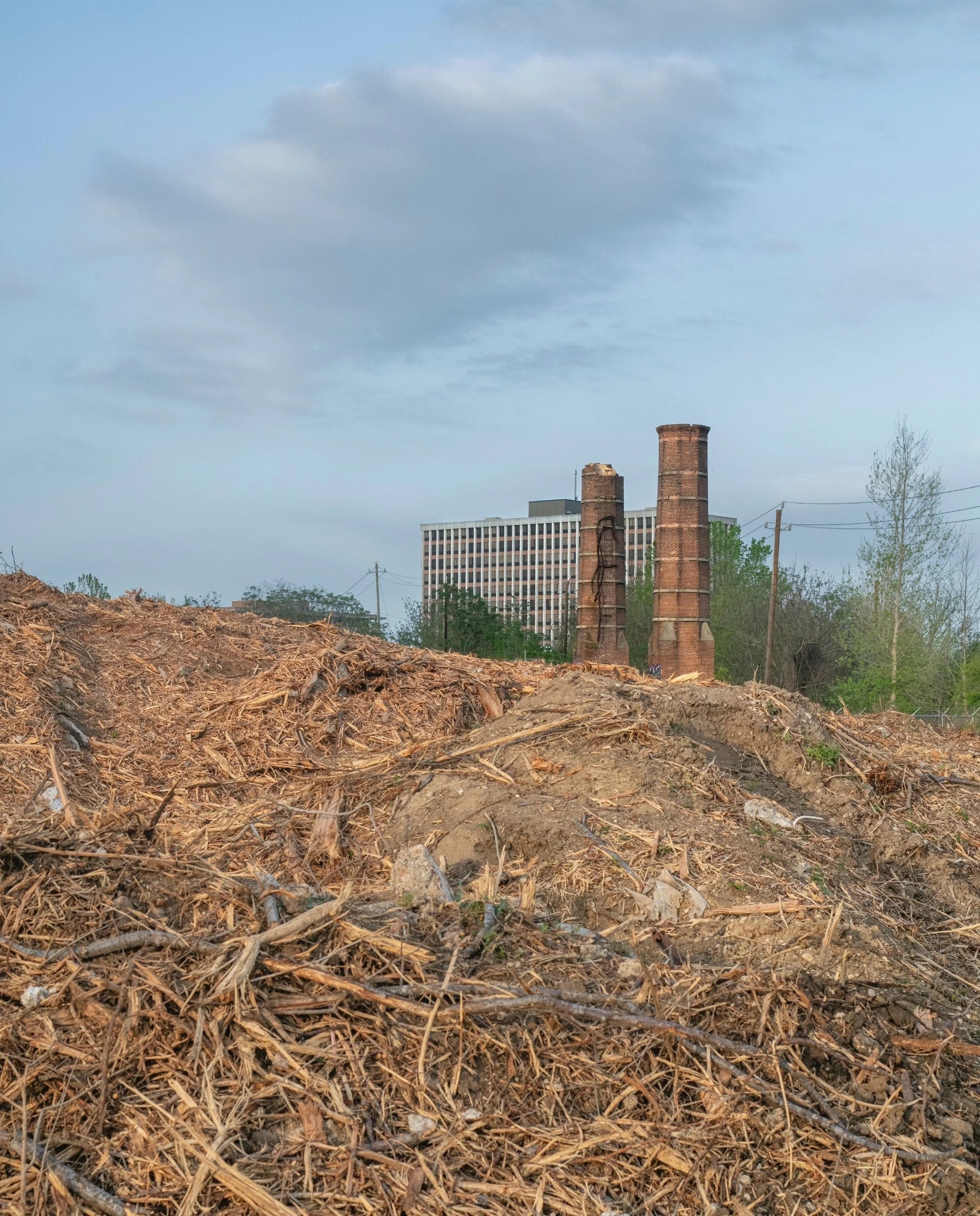
Helped lead the reuse pathway for historically burdened property in a legacy Black community.
$5.5 million in federal Brownfields funding secured for assessment and cleanup, including major cleanup funding for a long standing contaminated site.
Environmental strategy, federal funding, regulatory coordination, public accountability, resident trust, and a credible long term vision for land that had carried decades of harm.
Corridor decisions sit on top of history, risk, trust, and timing. The work required technical structure and community accountability in equal measure.
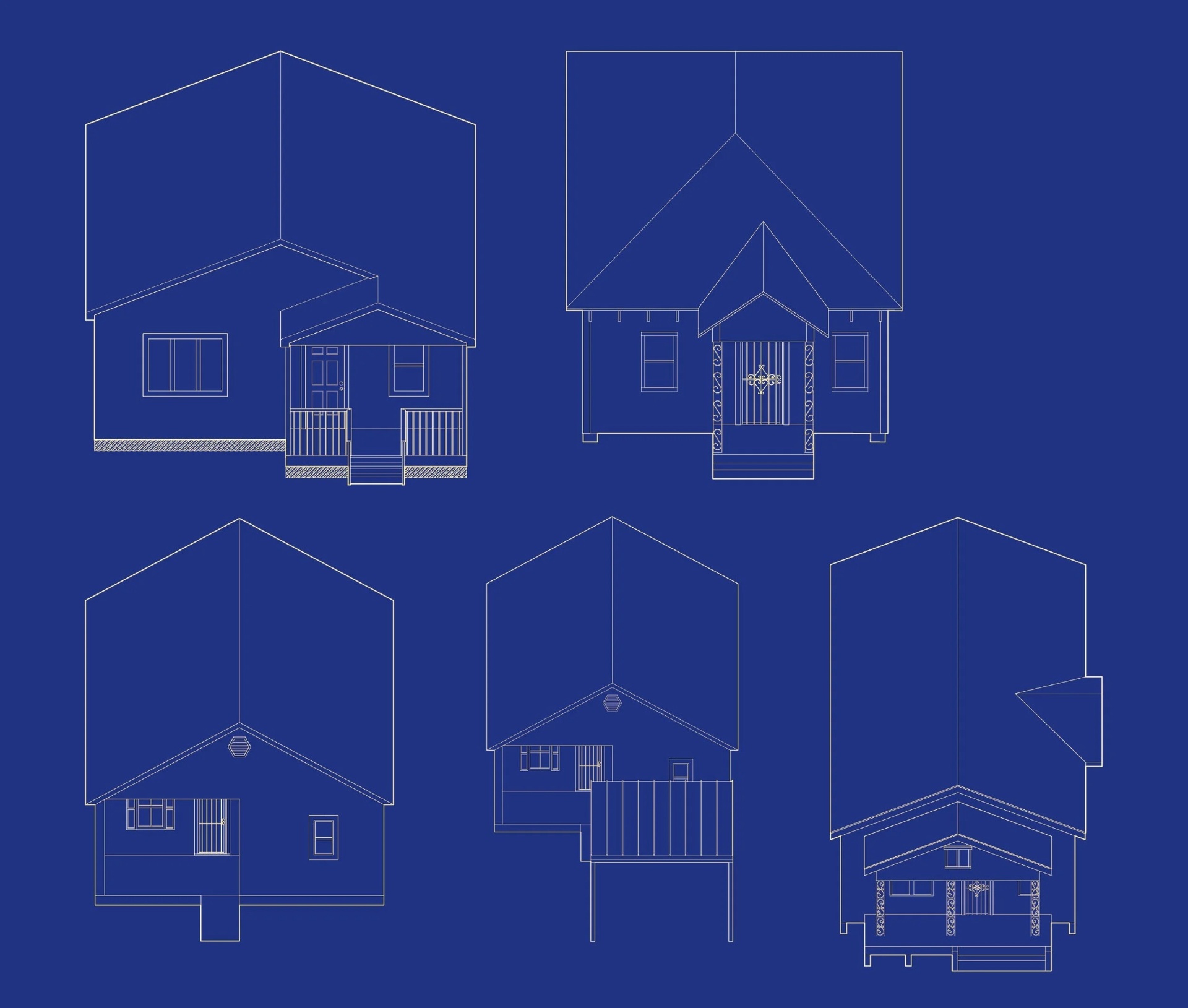
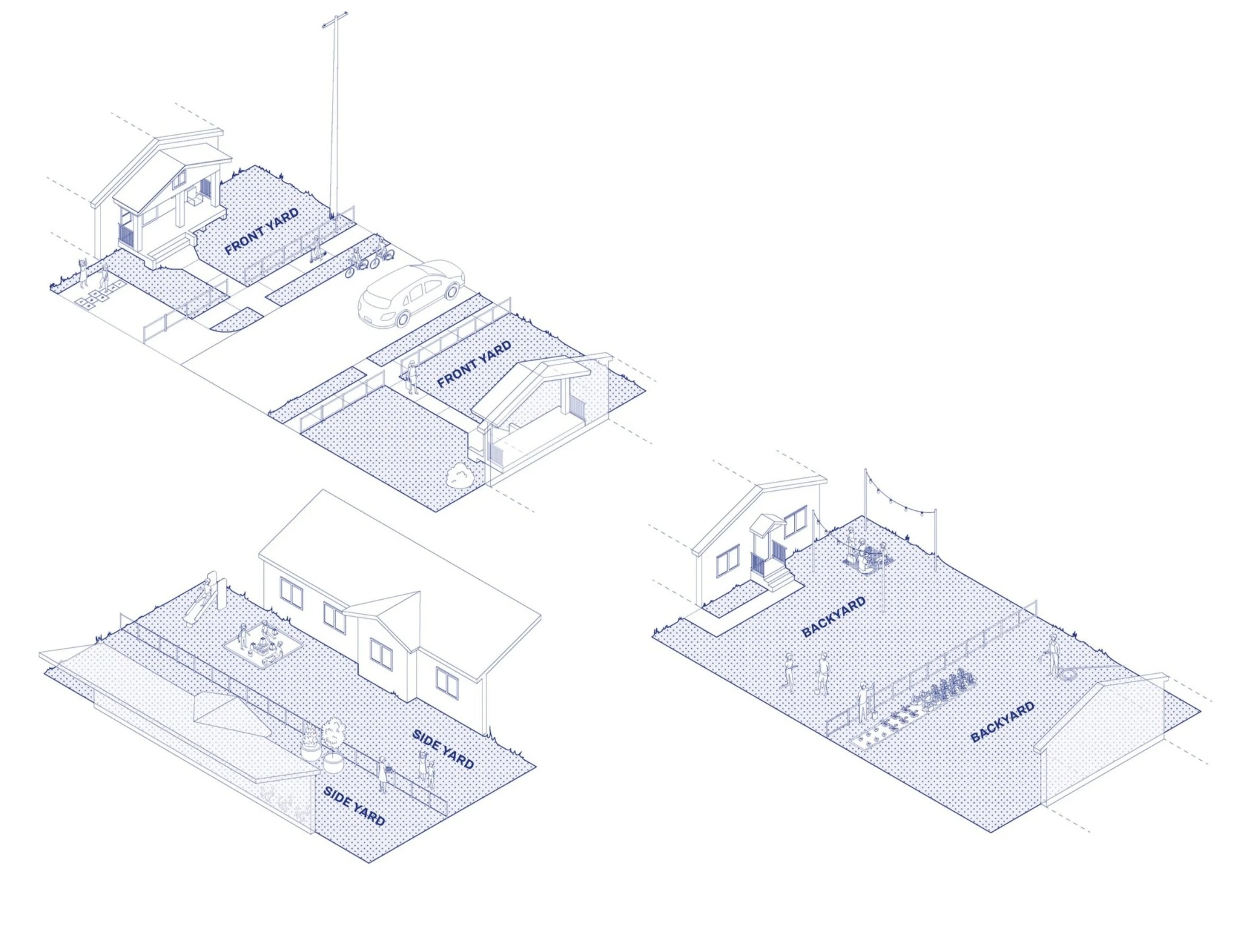
Small and difficult parcels translated into a housing pipeline for affordable, resilient, and accessible homes.
More than $700K in design, planning, technical assistance, and partner support aligned around replicable home plans and resilient housing implementation.
Design standards, builder readiness, community input, resilience criteria, partner coordination, and a scalable approach for turning scattered parcels into housing production.
How to connect parcel level conditions to housing production, affordability, resilience, and implementation at scale.
The Gap
Becoming a licensed architect requires 3,740 hours of documented experience, and zero of those hours require engaging with a community member.
Emerging professionals are taught design, but rarely land, capital, and the development process, which is where community projects live or die.
A volunteer certificate program is only as strong as the curriculum behind it.
Your strategic plan names this gap. This series fills it.
Aligned with your body of work
Each session is designed to be taught against a live A+A project so the learning compounds inside work volunteers can point to. A short look at the terrain the framework is built for.
Community Engagement
Los Angeles County · 2025
Residents shaping the spaces that hold their care.
Design-Build
Downtown, Los Angeles · 2025
Young people building alongside a cultural anchor.
Design-Build
Flatbush, Brooklyn · 2026
A permanent home for a neighborhood-run resource.
Design-Build
Flatbush, Brooklyn · 2023
Youth-artists designing a marketplace that feeds the block.
Projects listed are drawn from A+A's public portfolio. The training plugs directly into work of this shape in South LA and Flatbush.
The Framework
The Navigating Change series is a seven-part system for building stronger communities from the inside out. It publishes as a book series this fall.
How a community project defines what it stands for before it builds anything. Volunteers learn to write mission language communities recognize as their own and test whether a project's vision survives contact with real constraints.
Reading a neighborhood's history before designing within it. Land records, past plans, displacement patterns, and the stories data alone will not tell. Volunteers learn why authentic engagement starts with homework.
Who holds power, who holds trust, and why they are rarely the same people. Volunteers build a working stakeholder map for a live project and learn to sequence conversations so support compounds.
Turning community priorities into campaigns decision makers cannot ignore. Public comment, coalition building, and the difference between showing up loud and showing up prepared.
How land moves from vacant lot to community asset. Site control, entitlements, the capital stack, and where emerging architects fit in the deal. Drawn from the volume closest to my daily work leading one of the largest land banks in the country.
Where the money lives and how to go get it. Grants, contracts, philanthropy, and earned revenue, and how to match the right capital to the right project stage. Built from experience raising more than $50 million across my career.
Building knowledge so it outlasts any single volunteer. Documentation habits, leadership pipelines, and how a young organization keeps its memory as people cycle through.
Prefer this on one page? Download the series overview.
Format & Fit
Sessions can count toward your credential’s attendance structure.
Ways to Work Together
One topic, one session, the fastest way to test fit.
Volunteers walk away holding: a working framework for one core topic, applied to a live A+A project, with keep-it worksheets in hand.
INVESTMENT: TO BE SHAREDThree or more topics sequenced across the program year.
Volunteers walk away holding: a stacked, compounding practice that mirrors the arc of a real community project from vision to funded reality.
INVESTMENT: TO BE SHAREDRecurring appearances inside the existing training calendar.
Volunteers walk away holding: a standing outside voice on land, capital, and process, timed to the moments in the year they most need it.
INVESTMENT: TO BE SHAREDI will come back with proposed dates, session details, and investment.
Prepared by Christa Stoneham. Connecting Dots and Strategies. Reclaiming the map.
christastoneham.com